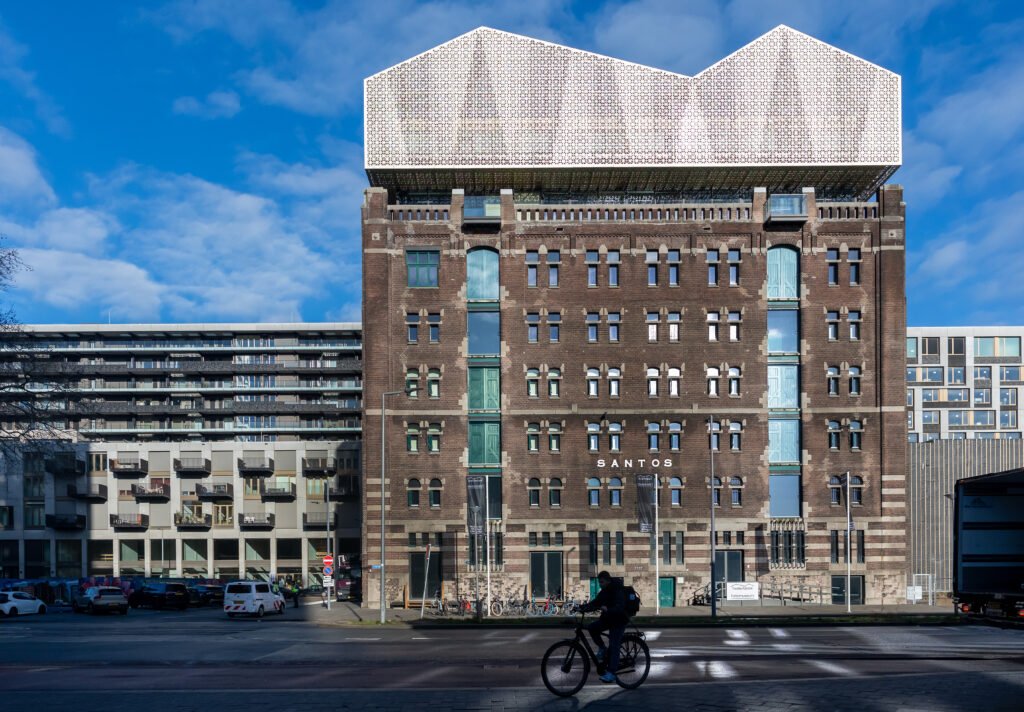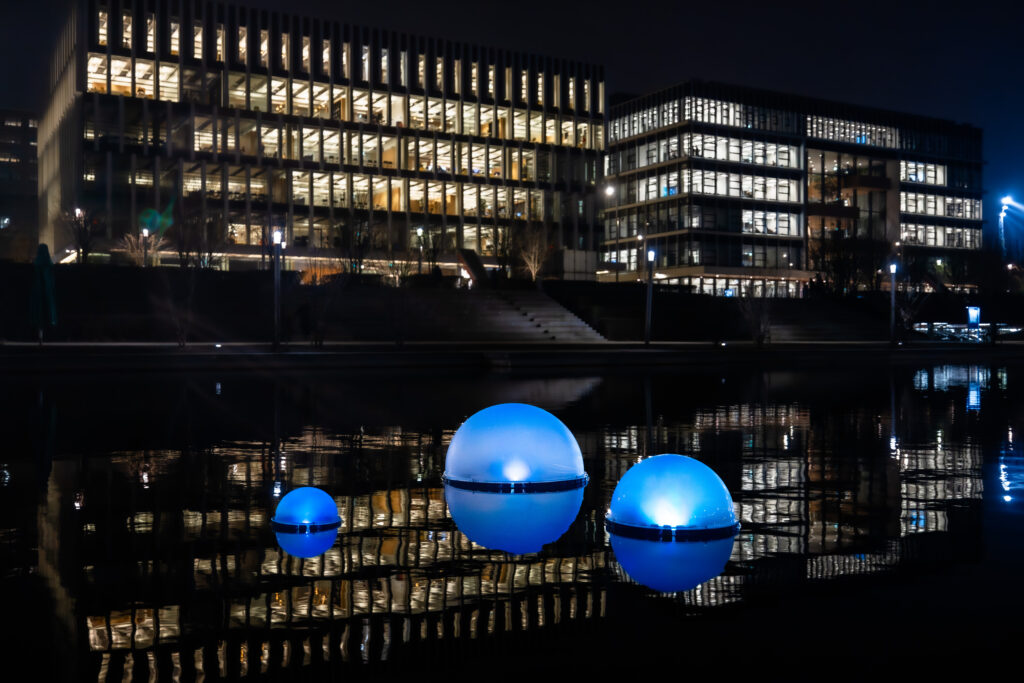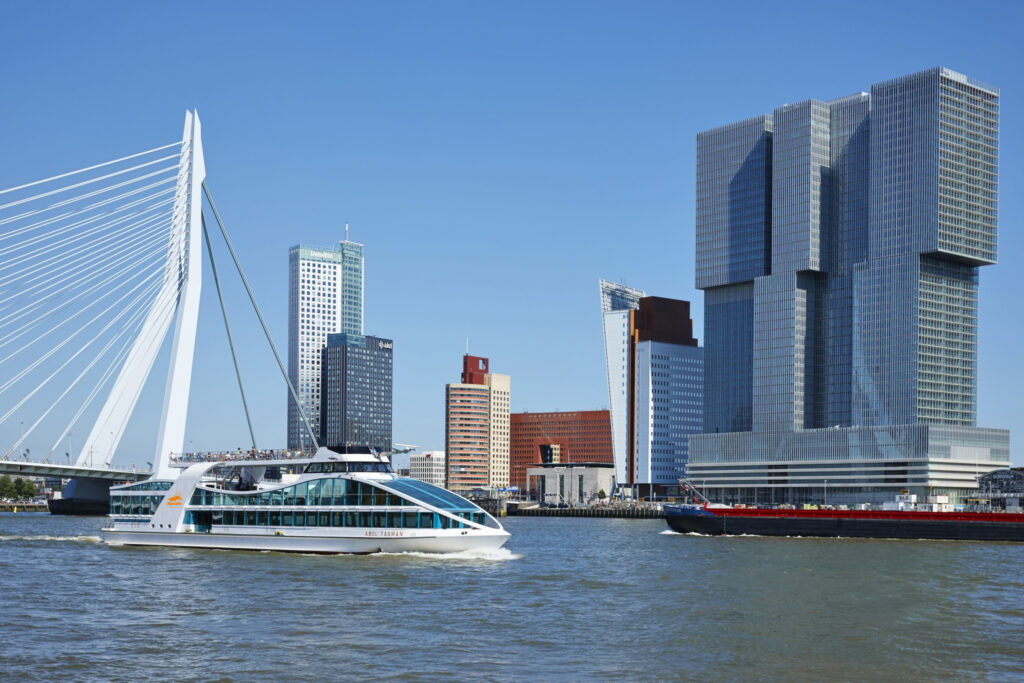
Rotterdam has always been a treat for architecture lovers, but every June the city raises the bar even further. During Rotterdam Architecture Month, visitors, residents, and experts can explore an extensive and diverse festival spanning the entire city, with a striking new location serving as the festival’s heart each edition.
There was once a pink stage on the roof of Het Nieuwe Instituut that drew huge crowds. In the Maashaven, a floating festival hub appeared, anticipating the future Nelson Mandela Park. Visitors could try urban sports in giant floating containers and explore a pop-up park. And in the 2026 edition, the circular city takes centre stage. In the Keilekwartier, a Test Site Materialenwerf has been set up, where the festival explores how Rotterdam can build without waste.
Experimental territory
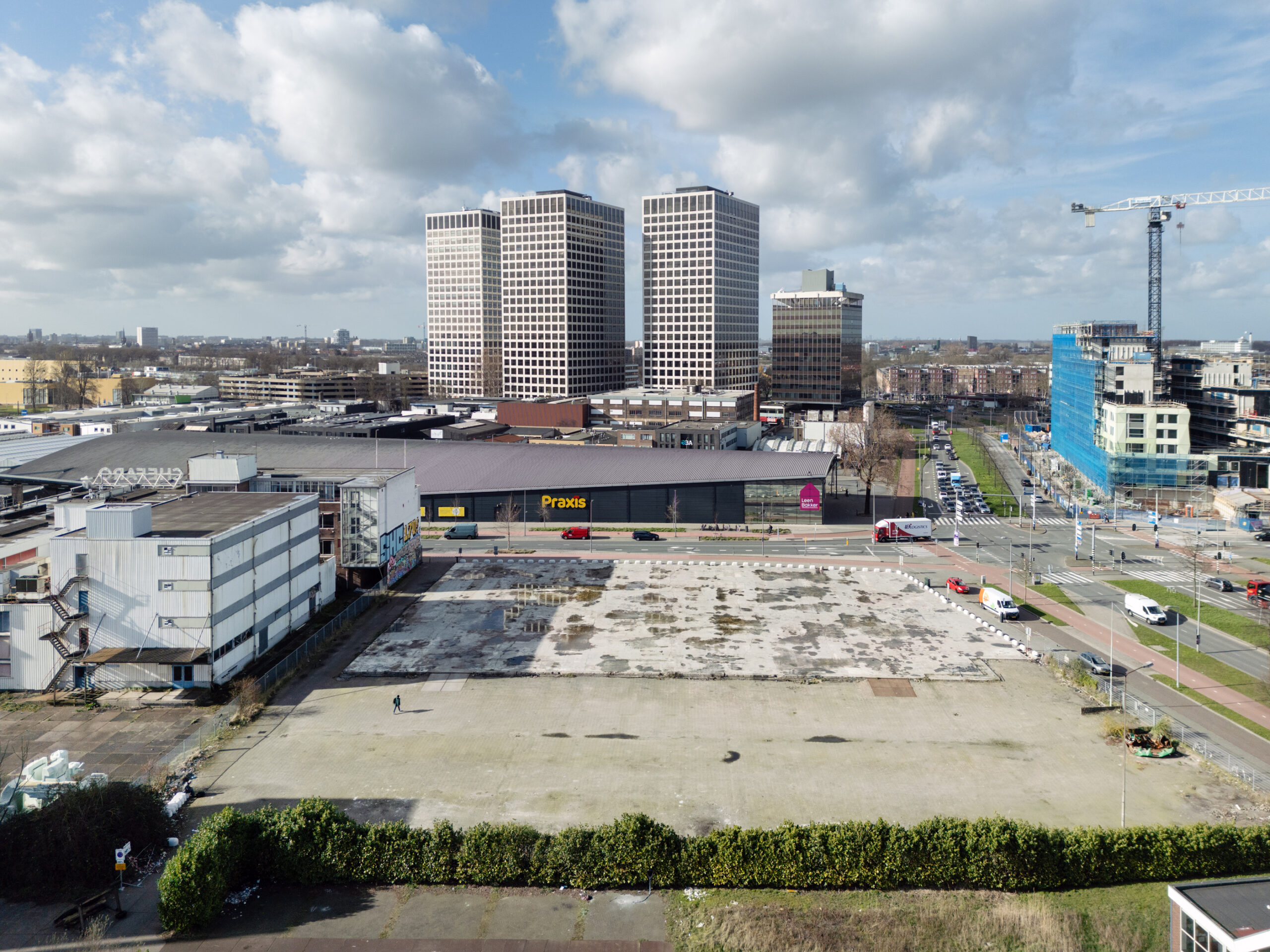
Daniëlle Huisman is head of communications at AIR, the organisation behind Rotterdam Architecture Month. She explains why the festival’s heart moves to a different location every year. “We look at urban development, at the future. What’s going to happen to an area? Can we test something there in advance? It helps visitors connect with everything that’s in the pipeline. The festival heart is really an experimental zone.”
We look at urban development, at the future. What’s going to happen to an area?
Circular development zone
The M4H area (Merwe-Vierhavens), including the Keilekwartier, is perfectly suited for this. The area is in transition, shifting from a port and industrial zone into a mixed urban neighbourhood. The municipality and the Port Authority have designated it as Rotterdam’s circular development zone par excellence, where innovative manufacturing, living, and working come together.
According to Daniëlle, that experimental spirit suits the city well. “To me, Rotterdam stands for a city that keeps exploring how things could be done differently. Rotterdam Architecture Month makes that process visible and shows how the city is constantly evolving. It helps Rotterdammers understand their own city better, and it gives international visitors plenty of inspiration.”
To me, Rotterdam stands for a city that keeps exploring how things could be done differently.
40 locations
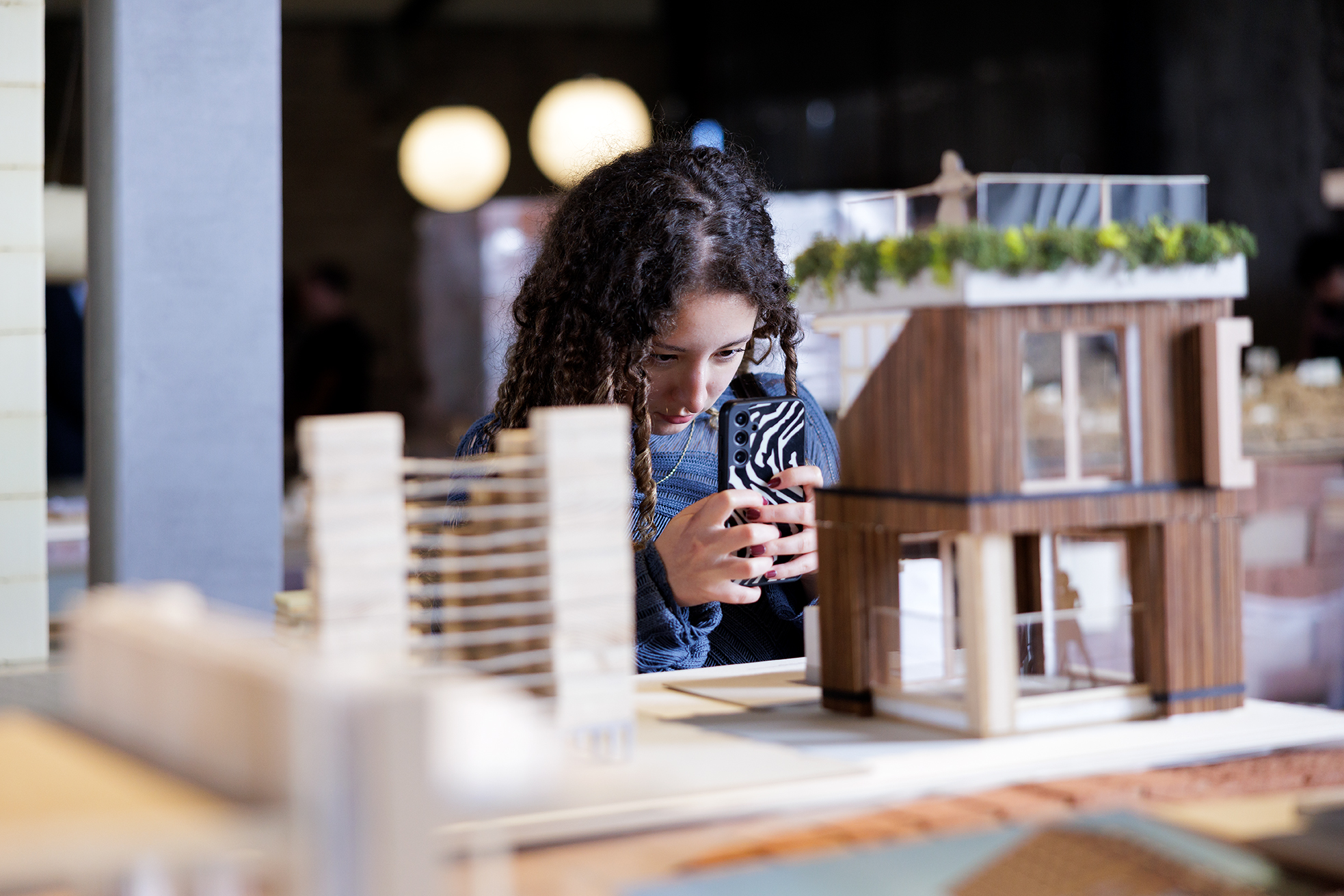
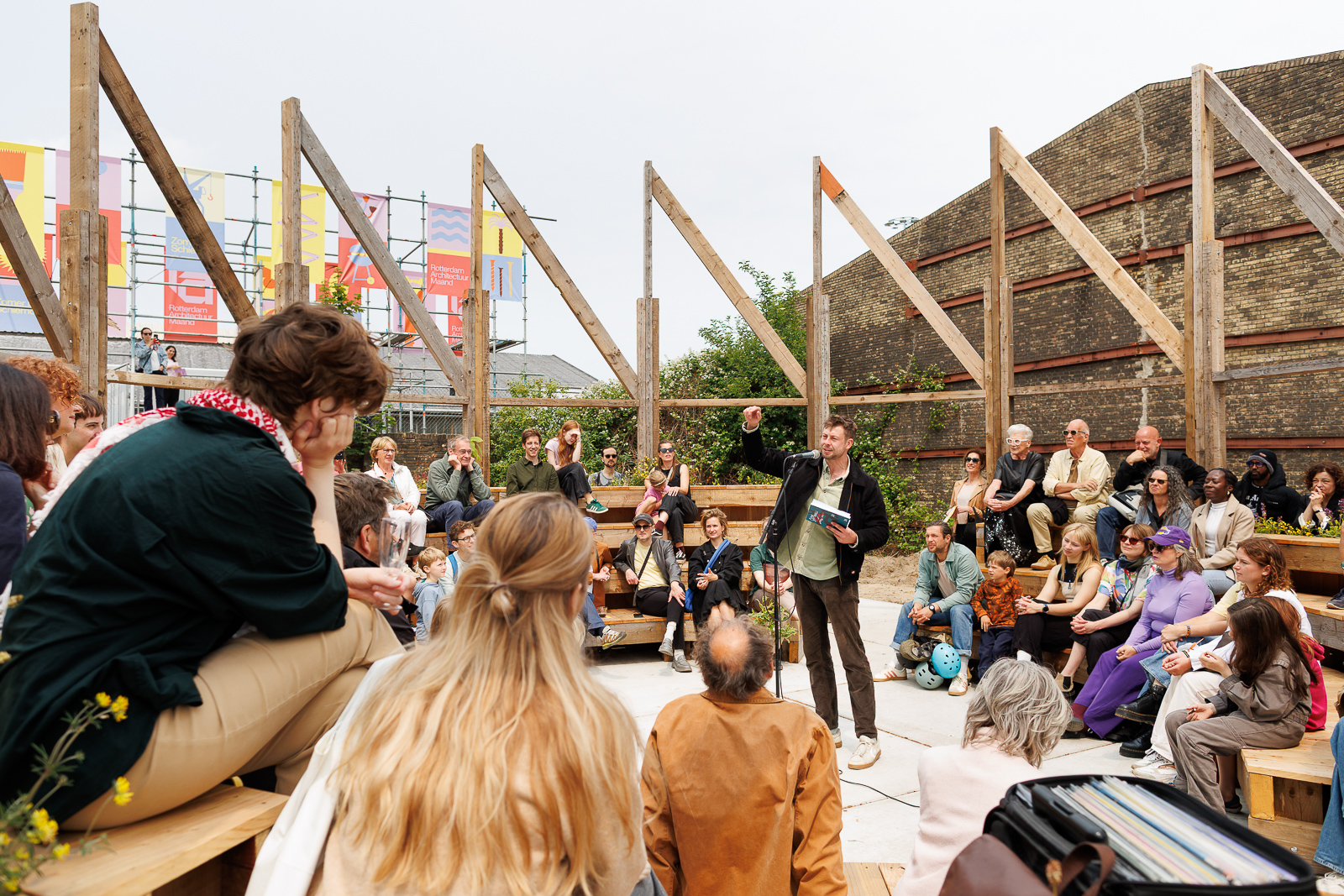
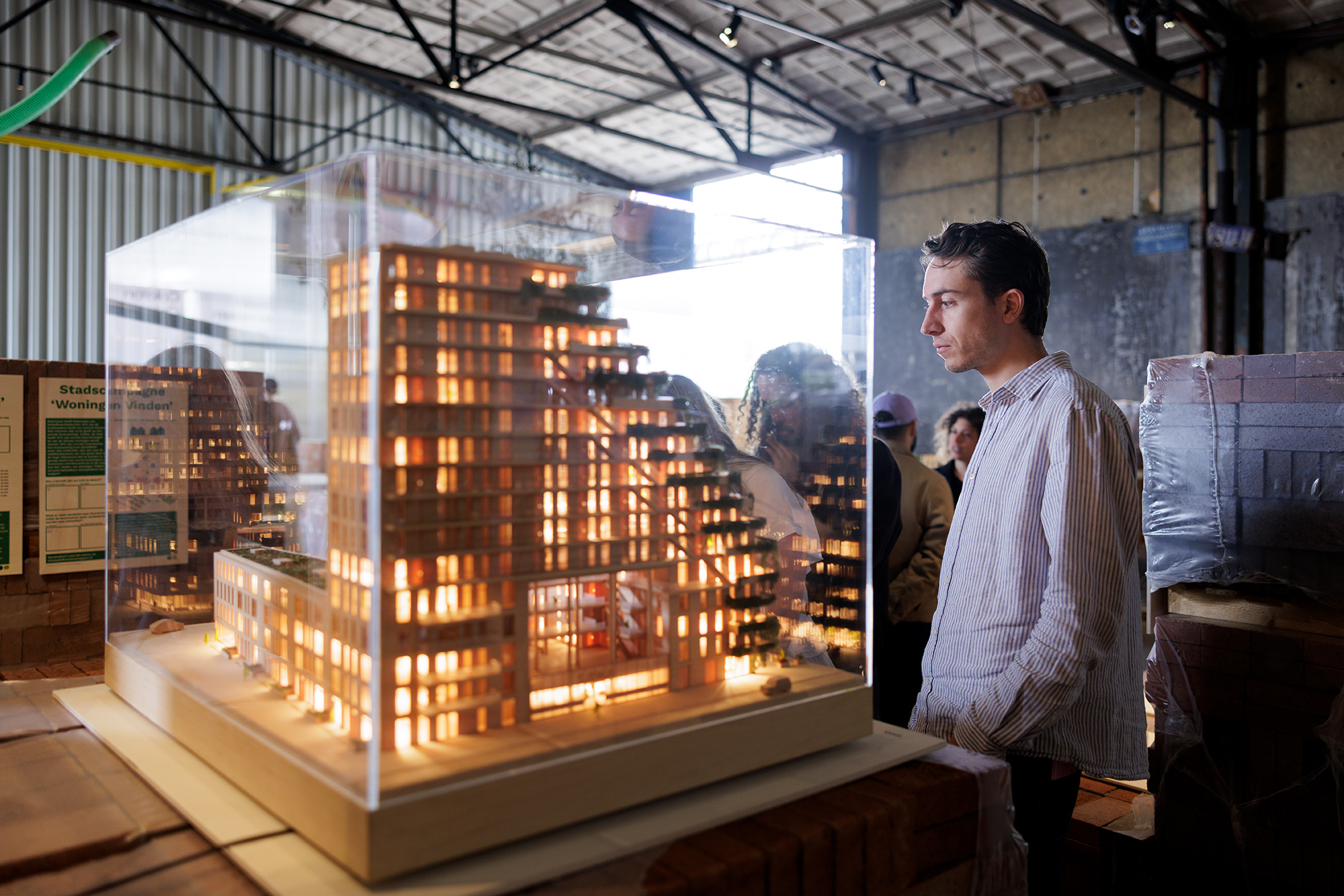
During the festival, 100 Rotterdam-based organisations and businesses host tours, films, workshops, talks, and exhibitions across more than 40 locations throughout the city. Architecture takes either the lead role or a supporting one, but it’s always aimed at a broad audience. That includes professionals working in urban development or city-making. But it’s just as enjoyable for visitors simply passing through the city. And of course for Rotterdammers themselves, with a neighbourhood day packed with activities for children and adults alike.
Circular city
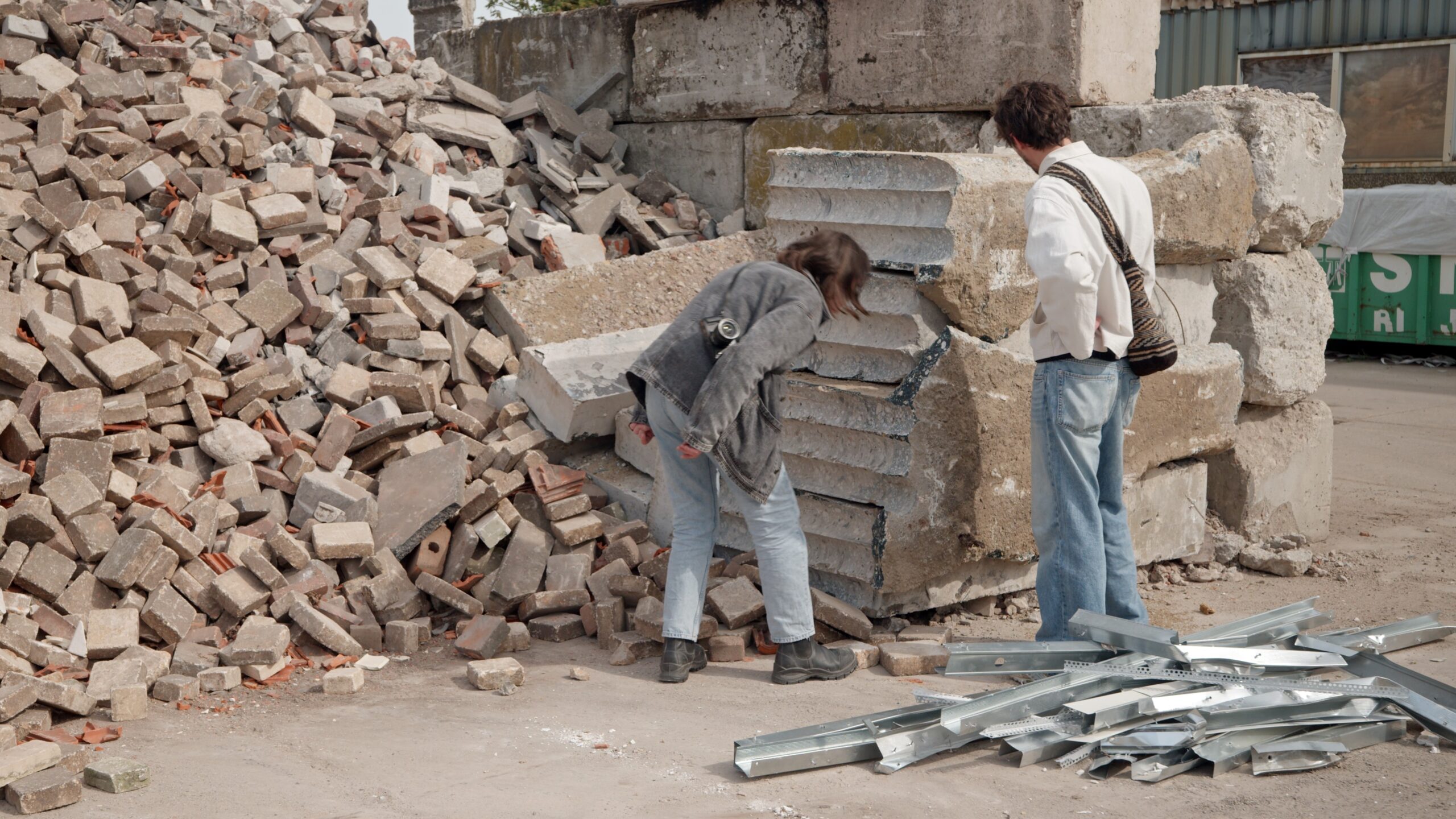
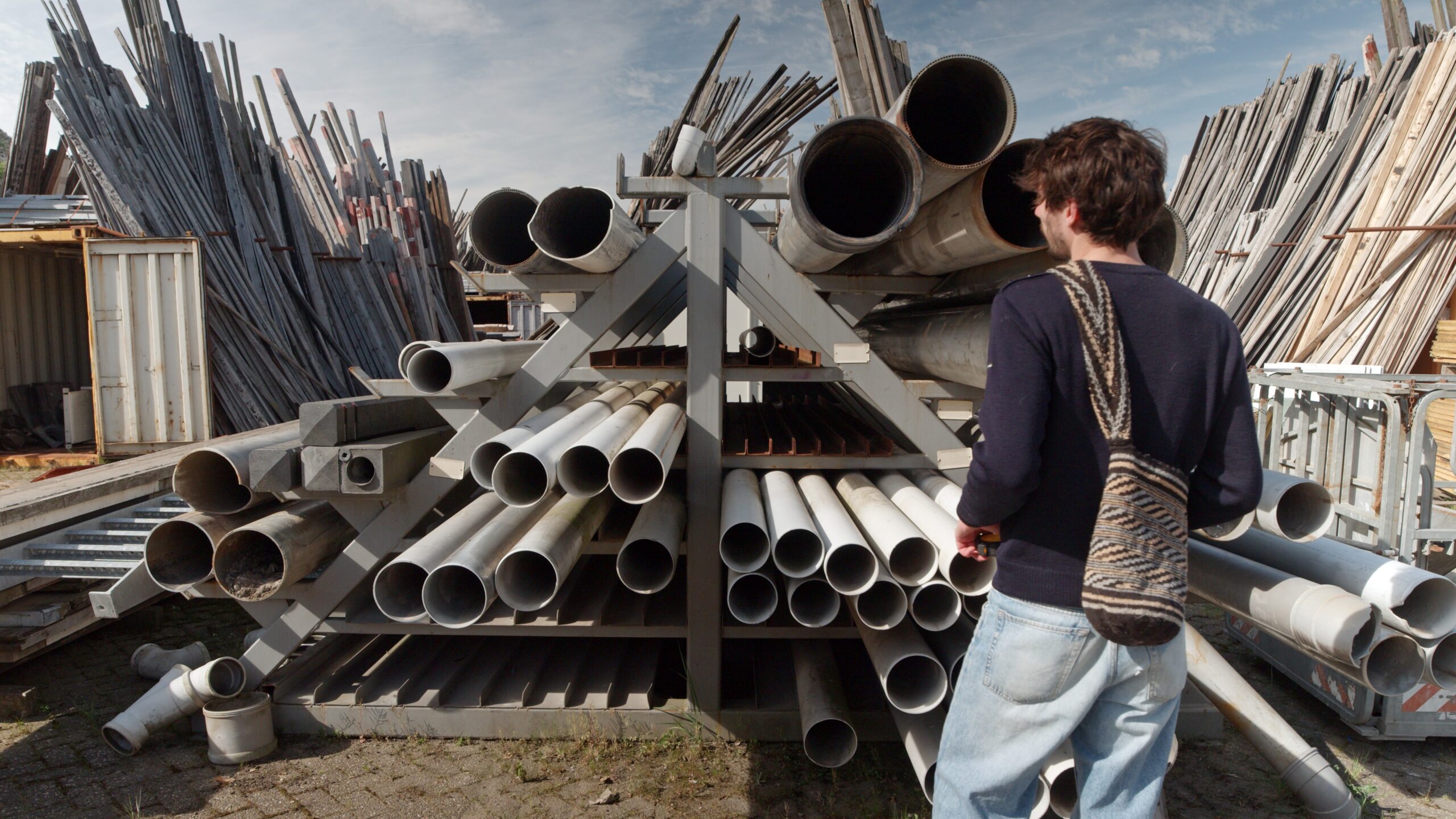
The 2026 theme, the circular city, ties in with Rotterdam’s ambition to become fully circular by 2050. At the Test Site Materialenwerf in the Keilekwartier, visitors can see what a circular city might actually look like. Daniëlle: “You’ll find all kinds of different materials laid out there. Each one tells its own story, where it came from, how it could be reused. There’s also a large pavilion designed by Studio ACTE, built entirely from reusable materials.”
At the Test Site Materialenwerf in the Keilekwartier, visitors can see what a circular city might actually look like.
Working together
As a small-scale experiment, the Test Site is, in Daniëlle’s view, remarkably instructive. “It quickly becomes clear that building circularly is complicated. You have to collaborate with so many different people, and that’s really crucial. Designers need to talk to demolition crews earlier in the process. Contractors need a seat at the table sooner. Clients need to make room for uncertainty. Those are the kinds of insights we can pass on once the month is over.”
Circular carpentry village
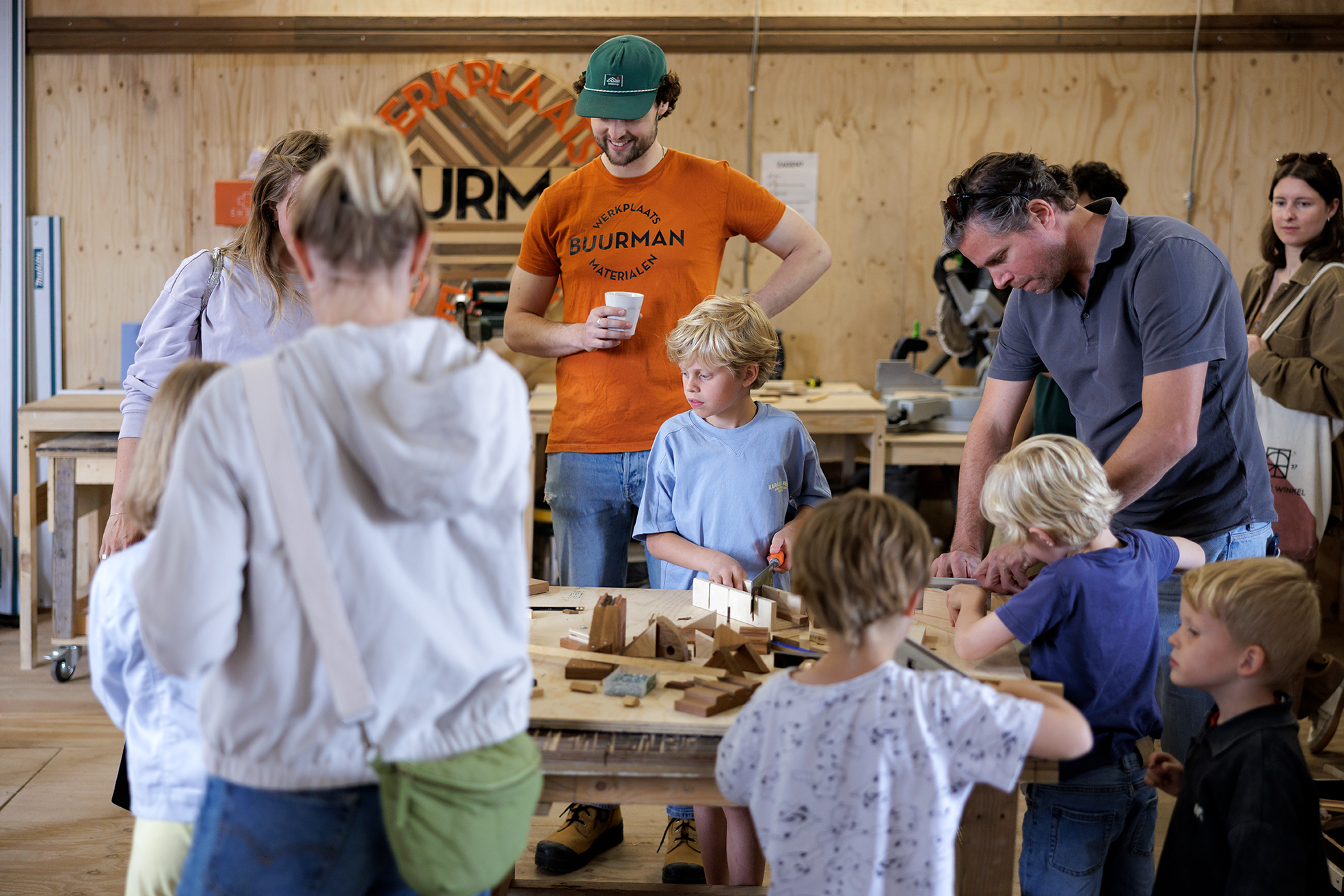
Visitors can drop by the Test Site for workshops, guided tours, and an exhibition. Daniëlle: “There’s a workshop, for example, on designing a chair from used materials. Children can also help build a circular carpentry village, a temporary village made entirely from reused materials. At the Test Site, you can also learn how to restore a door or turn old fire hoses into something new. The area is also home to a beautiful Food Garden, where you can go on a foraging walk and enjoy a tasting along the way.”
There’s a workshop, for example, on designing a chair from used materials.
Day and Night of Architecture
There’s something happening every single day during Rotterdam Architecture Month. A regular feature is the Hidden Gardens, where 50 homeowners open up their gardens to the public. And then there’s the Day and Night of Architecture, organised by OMI, for which you can buy tickets online. It’s your chance to visit architects’ studios or get a first look at the city’s newest landmarks. In the evening, Rotterdam’s classic buildings come to life with performances by musicians, artists, and other creative makers.
Related brand partners

Media library for this story