Architect Arjen Ketting: ‘In any other city, this wouldn’t have been possible.’
With the Depot, Rotterdam gained a new icon. The mirrored building with its unique rounded shape draws countless visitors. They come to marvel at the spectacular architecture, to explore the art collection of Museum Boijmans Van Beuningen, and to visit the rooftop forest 40 metres above the ground.
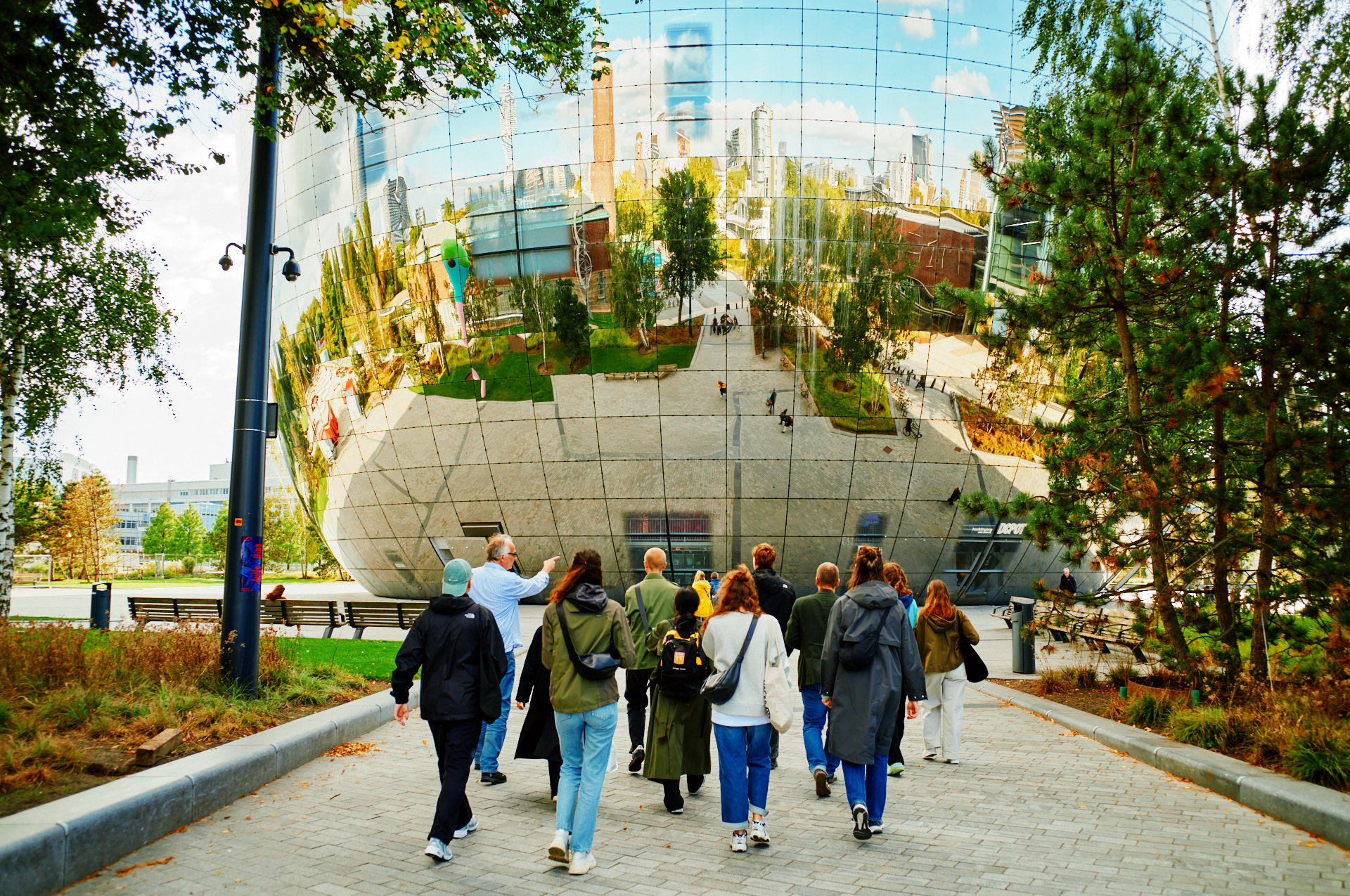
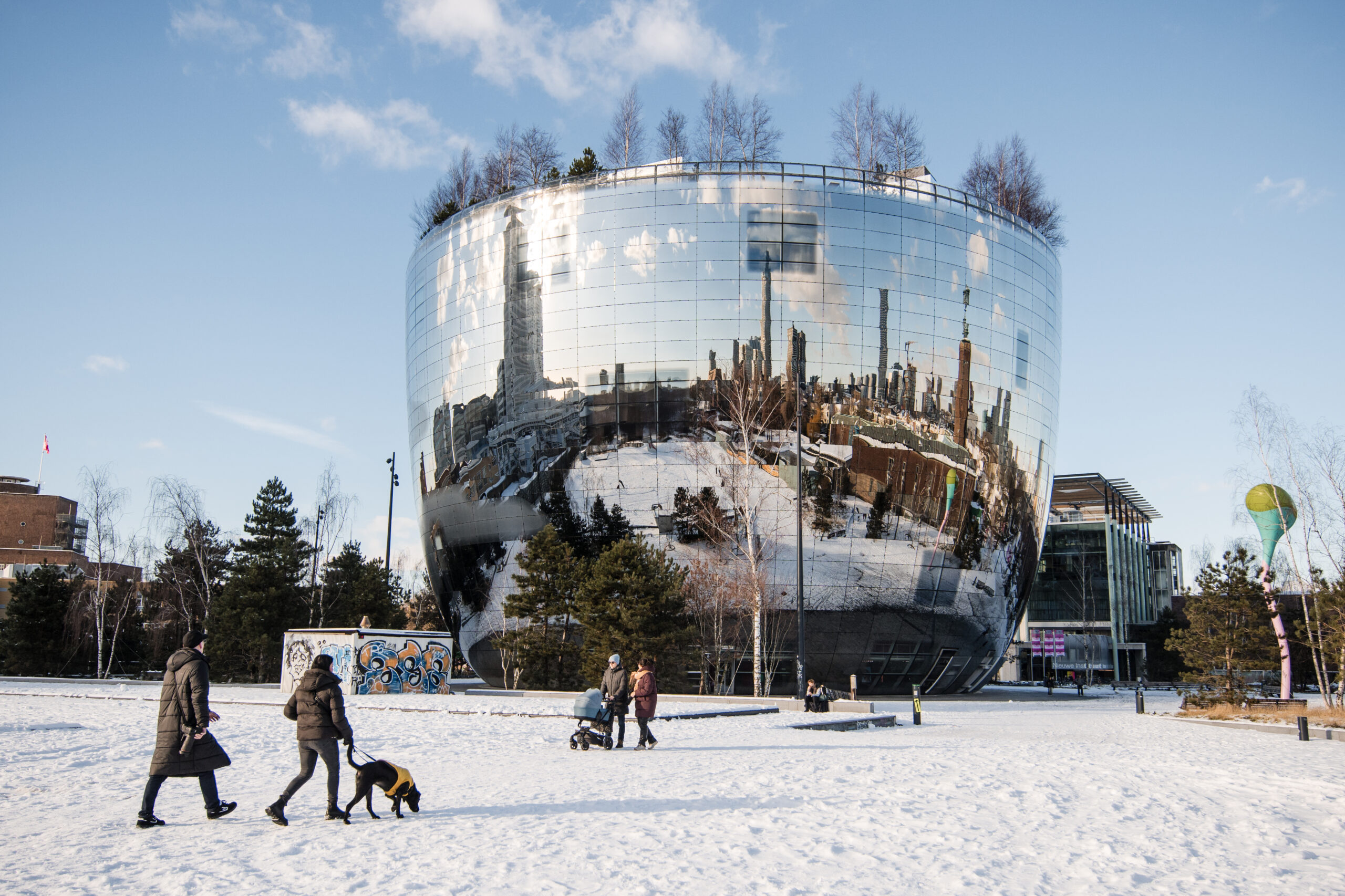
Walk into the Museumpark and the moment you spot that gleaming bowl-shaped building, you know you’ve arrived somewhere special: the Depot Boijmans Van Beuningen. Affectionately, and very Rotterdamly, nicknamed the ‘flower pot’ or ‘salad bowl’. The rounded façade of the Depot reflects Rotterdam’s skyline through 1,664 mirror panels.
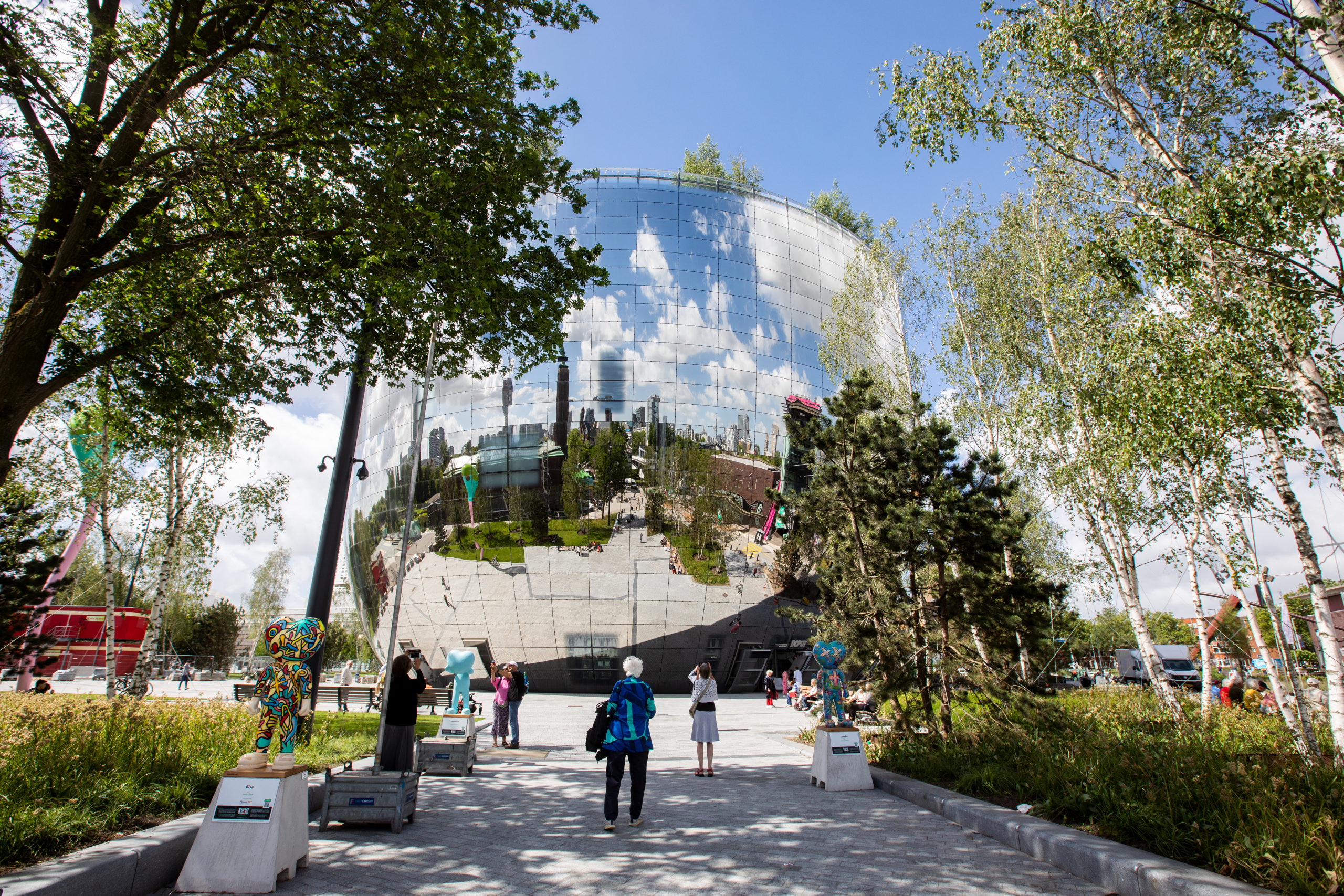
The Depot is a breathtaking feat of architecture that draws 250,000 visitors a year. Since it opened in 2021, it has become one of the most visited art destinations in the city. That year, it won the Marketing Award Rotterdam.
First in the world
The Depot is the world’s first publicly accessible art depot. It stands next to Museum Boijmans Van Beuningen, which is currently closed for renovation. The monumental building is being updated, modernised, and made more sustainable, and is expected to reopen around 2030.
That makes it all the more valuable that the collection of 155,000 artworks, some of them world-famous, is safely and responsibly stored. And, above all, that you can actually see them.
We took a piece of the park and moved it up to the roof of the Depot.
A behind-the-scenes look
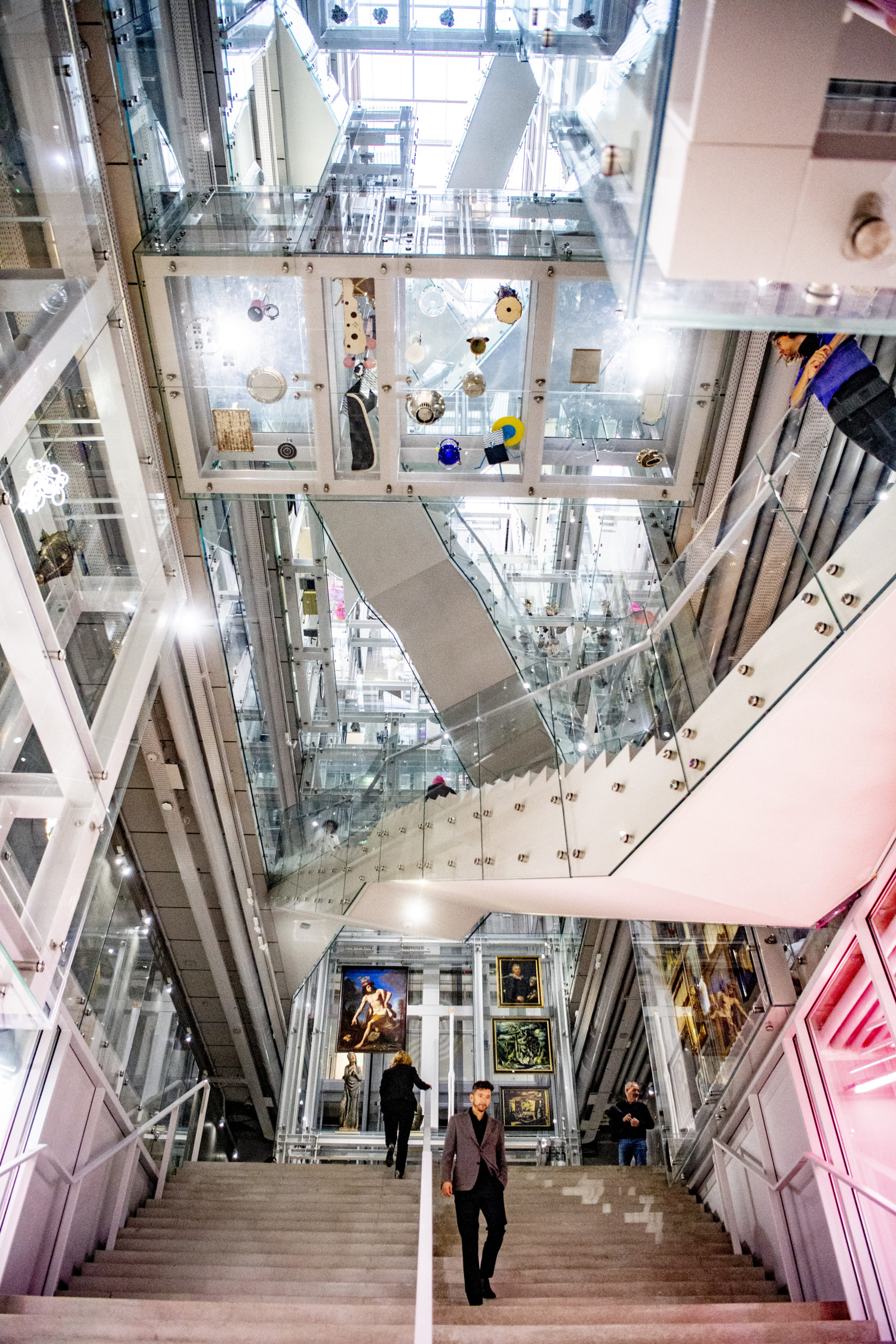
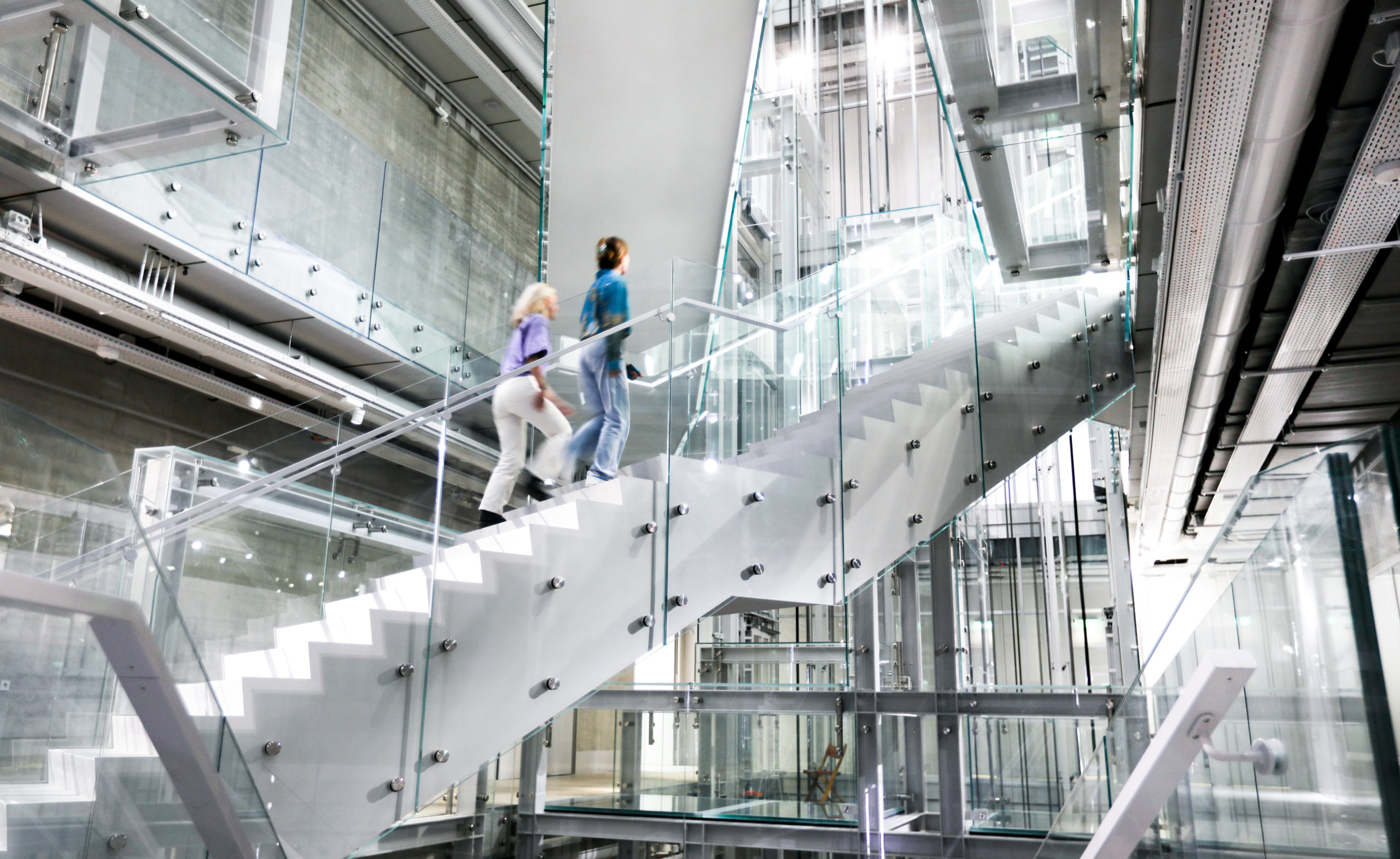
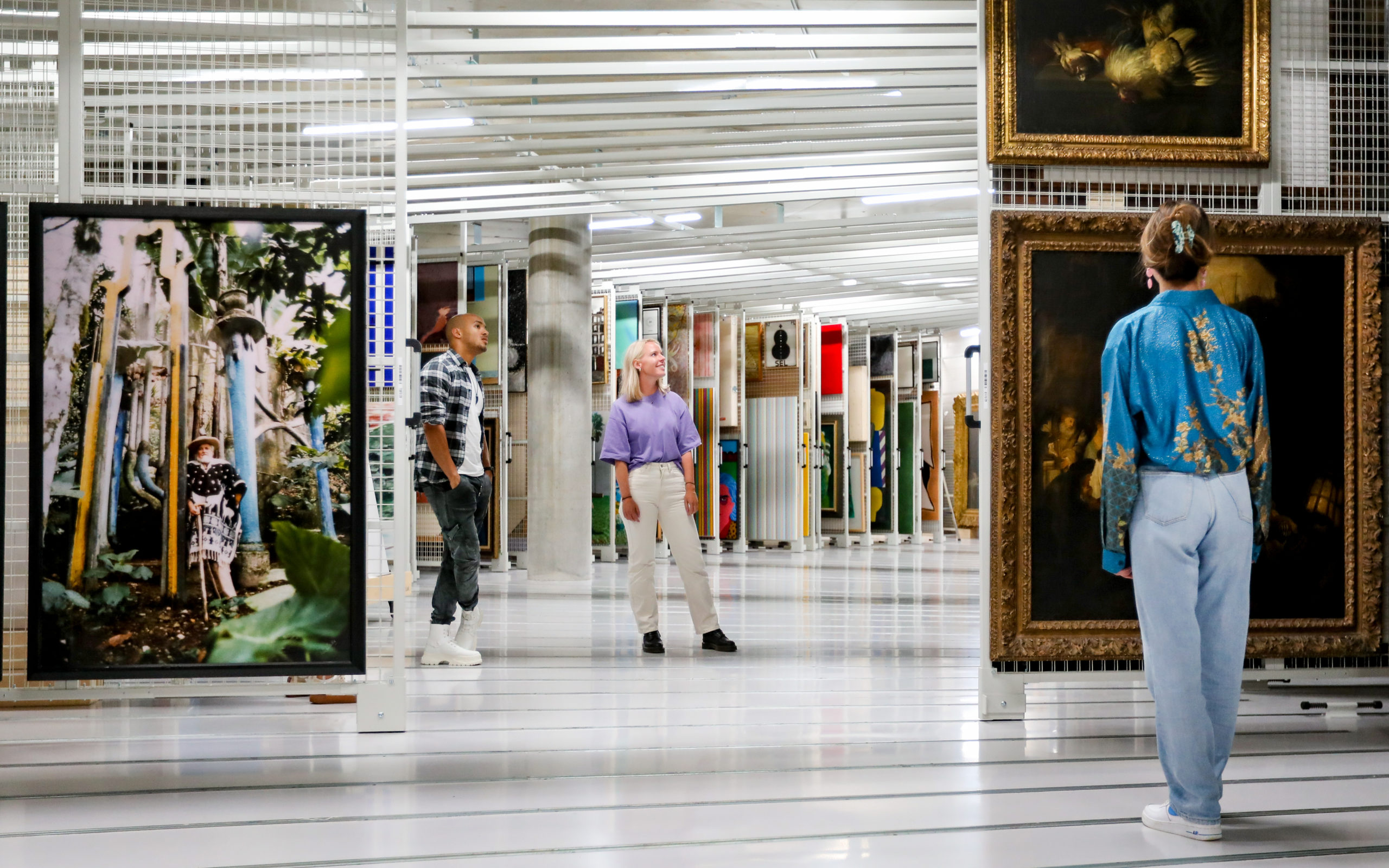
In the seven-storey building, you can view artworks from every angle, from the walkways, the stairs, and the lift. With a guide, you can also visit one of the storage rooms. And since museum staff are working there as you walk through, you get a rare glimpse behind the scenes at the same time.
A lost piece of park
The Depot was commissioned by the City of Rotterdam and designed by architect Winy Maas of Rotterdam-based MVRDV. The building widens as it rises, like an upturned bowl. The diameter at the base is 40 metres; at the top, 60. This shape was deliberately chosen to sacrifice as little of the park as possible.
Arjen Ketting was project leader for MVRDV. He explains: ‘One of the key design principles was giving back the lost piece of park to the people of Rotterdam. We did that by taking a piece of the park and, in a sense, moving it up to the roof of the Depot.’
We use that water to flush the toilets inside the Depot.
Native tree varieties
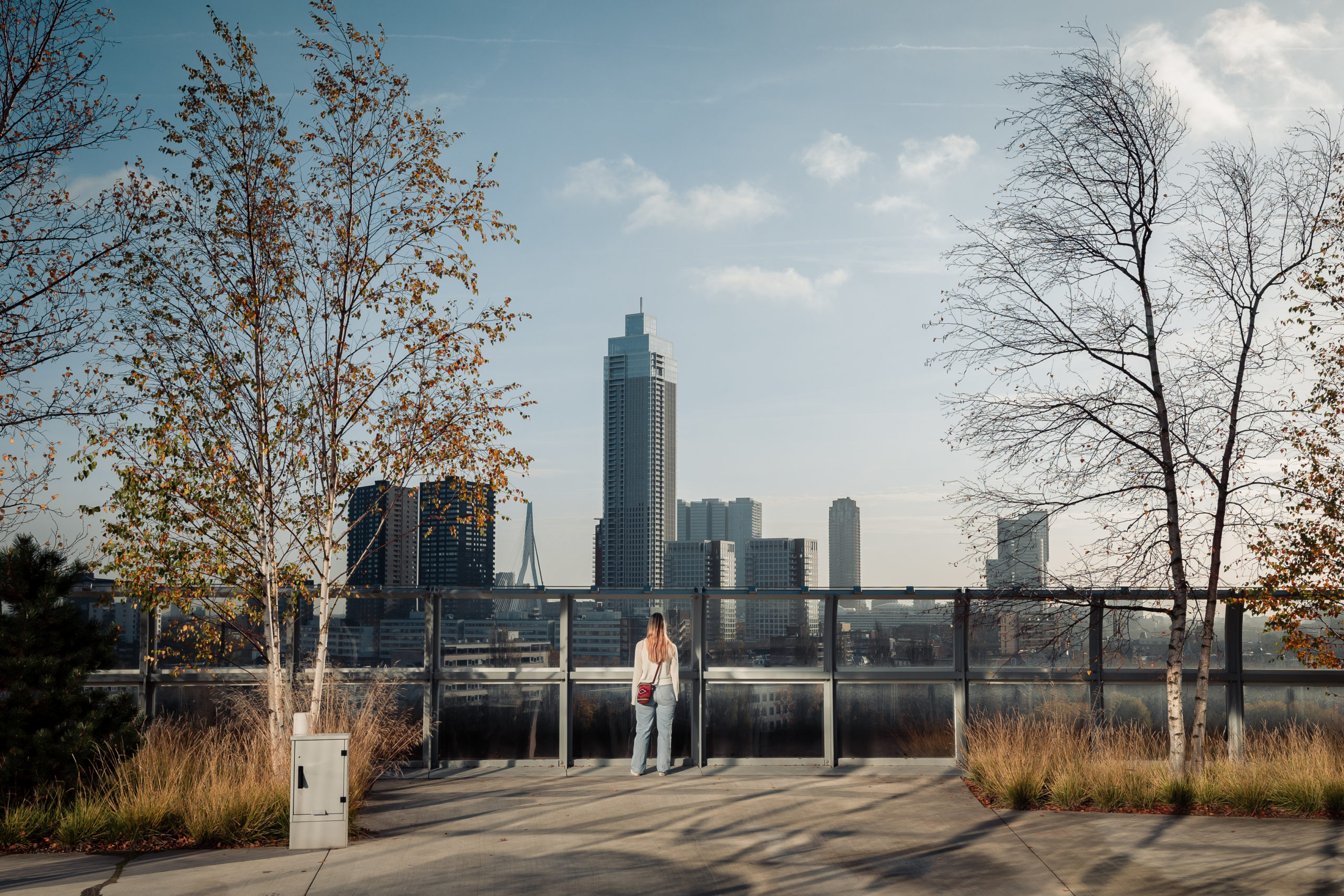
At 39.5 metres above ground, a rooftop forest has been planted, with 75 birch trees, 20 pines, and grasses. Not in pots, but with their roots in the ground. ‘I chose multi-stemmed native tree varieties that are more stable and well-suited to our climate,’ says Arjen. ‘They’re great for birds and insects and have real ecological value.’
Climate benefits
The rooftop forest also brings all the health and climate benefits of a green roof. The planting keeps summer heat in check, filters the air, and retains rainwater. ‘We use that water to flush the toilets inside the Depot.’ In this way, the Depot contributes to Rotterdam’s ambitions to become greener and fully circular by 2050.
Rotterdammers adapt to new situations and embrace them.
Open in the evenings
The rooftop forest is also accessible outside the Depot’s opening hours. From Thursday to Saturday after 17:15, you can enjoy a panoramic view over Rotterdam with a ticket for a small fee. Restaurant Renilde on the sixth floor is exclusively open to Depot visitors during the day, but in the evenings everyone is welcome for dinner.
The Rotterdam way
Moving an art collection to a new building in a park was never going to be simple. According to Arjen, it takes a Rotterdam approach. ‘In any other city, this wouldn’t have been possible. Rotterdammers adapt to new situations and embrace them.
‘As an architect, you want to create a place that’s wonderful to look at and feels completely logical, where people think: of course it looks like this, even if they’re not an architect. And I think we achieved that.’
Film and dance
The seven-minute film Bouwgrond tells the story behind the architecture, history, and future of the Depot. A must-see for anyone whose Rotterdam heart beats a little faster at the sight of this city.
In the film, filmmaker Ruben Hamelink combines music and poetry with dance. ‘Through film and dance, I added another layer to the Rotterdam theme of strength through transformation.
Rotterdam as an endlessly transforming city, where construction doesn’t just create new icons, but is itself the greatest icon.’ The film is a co-production with Conny Janssen Danst, supported by the Rotterdam Municipality’s Visual Arts Fund.
Related brand partners
Media library for this story